
Mastering the art of bluffing in casino poker
Understanding Bluffing in Poker
Bluffing is a fundamental aspect of poker that separates novice players from seasoned professionals. At its core, bluffing involves representing a stronger hand than what you actually possess, thereby inducing your opponents to fold their cards. This psychological element adds a fascinating layer to the game, as it requires not only a grasp of the rules but also an understanding of human behavior, especially when playing on platforms like britneynail.co.uk where the stakes can be higher. Mastering the art of bluffing can often lead to significant gains, both in terms of chips and respect at the table.
The effectiveness of a bluff hinges on timing and observation. Players must pay close attention to their opponents’ betting patterns, physical tells, and overall demeanor. For instance, if a player who often plays conservatively suddenly bets aggressively, that could indicate a strong hand, or perhaps a well-executed bluff. The key is to use these observations to determine the right moment to make your move while being ready to pivot if the situation changes.
Moreover, the context of the game—whether it be tournament play or a cash game—can influence bluffing strategies. In tournament play, players might be more inclined to take risks as they seek to accumulate chips, whereas in cash games, players may prefer to preserve their stacks. Understanding these dynamics helps to refine one’s bluffing techniques, ensuring that each attempt is grounded in the current state of the game rather than random chance.
Crafting Your Bluff
Creating a successful bluff requires a well-thought-out strategy. It is essential to construct a narrative around your hand that makes sense to your opponents. For example, if you’re trying to convince others that you hold a powerful hand, you might consider leveraging your position at the table. Being in late position gives you the advantage of seeing how others act before making your move, allowing you to tailor your bluff effectively.
A crucial part of crafting a bluff is choosing the right moments to act. For instance, small bet sizes can make it difficult for your opponents to discern whether you’re bluffing or genuinely holding a strong hand. By varying your bet sizes, you can create an unpredictable pattern that keeps opponents guessing. Furthermore, consistency in your betting style is vital; if you suddenly change your approach, observant players may catch on to your tactic.
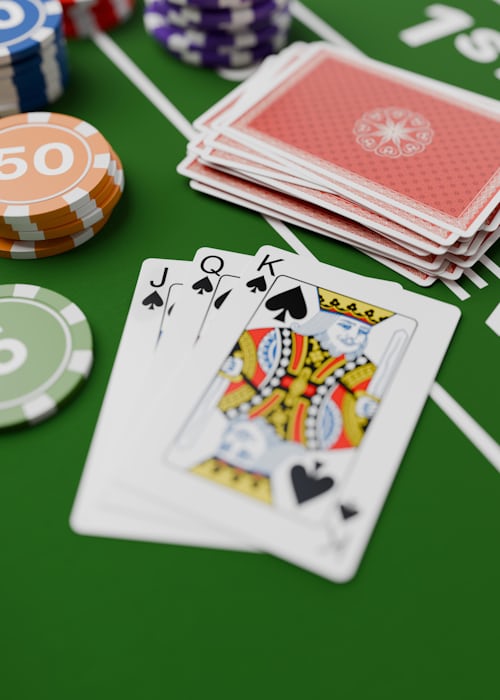
Additionally, the specific cards on the table play a significant role in successful bluffing. If the board shows potential for a strong hand, utilizing that to your advantage can lead to a successful bluff. For instance, if there are three cards of the same suit, you could represent a flush draw. However, the bluff must be believable. If the community cards don’t support your story, savvy opponents are likely to call your bet, exposing your deception.
Recognizing When to Bluff
Knowing when to bluff is just as important as knowing how to bluff. Recognizing the moments when your opponents are likely to fold requires keen observational skills and an understanding of the game dynamics. For instance, if an opponent appears nervous or unsure, they may be more susceptible to folding their hand in the face of a strong bet. Reading these cues can tip the balance in your favor, making it an opportune moment to execute a bluff.
Moreover, understanding the tendencies of your opponents is crucial in determining when to bluff. Players who are overly cautious might fold more frequently, while aggressive players may call your bluff without hesitation. Thus, tailoring your approach based on who you are up against can yield fruitful results. If you know that a particular player has a tighter style, they might be more inclined to fold a marginal hand if you create enough pressure.
Additionally, your own table image affects how your bluffs are perceived. If you have established yourself as a tight and conservative player, your bluffs may carry more weight as opponents would be wary of folding against you. However, if you’ve been playing aggressively, opponents might be more inclined to call your bets, believing that you are merely continuing your aggressive play. Striking the right balance between aggression and restraint is essential for maximizing the effectiveness of your bluffs.
The Psychology Behind Bluffing
Bluffing in poker isn’t just about the cards; it’s about understanding psychology. Every player has their own mental state and emotional responses, which can be manipulated through strategic bluffing. By cultivating a strong poker face and controlling your own emotions, you can project confidence that makes your opponents doubt their own hands. This psychological warfare is what makes bluffing a thrilling element of poker.

The concept of “playing the player” is central to an effective bluff. Each opponent brings their own biases and tendencies to the table, which can be exploited. For example, if you notice that a player frequently folds to aggression, you can use this knowledge to bluff against them more frequently. Conversely, against players who are more resistant to folding, it may be wise to refrain from bluffing too often to avoid losing chips unnecessarily.
Furthermore, part of the psychological aspect of bluffing involves storytelling. When you place a bet or raise, you are attempting to sell a narrative that your opponents must either buy into or discard. The more convincing and thorough your narrative is, the more likely they are to believe it. This storytelling nature of poker is what makes bluffing an art form, where you are not just playing the cards but also the minds of your opponents.
Enhancing Your Bluffing Skills Online
In today’s digital age, many players are turning to online poker platforms to hone their skills, including bluffing. Online poker offers unique challenges and advantages for bluffing strategies. The absence of physical tells means players must rely solely on betting patterns and timing to gauge their opponents’ reactions. This can heighten the focus on analyzing betting behavior, making it easier to establish when a bluff may succeed.
Online games often provide access to statistical tools and trackers that can further enhance your bluffing strategies. These tools allow players to monitor their own performance and that of their opponents over time, identifying trends in betting habits and folds. By leveraging this data, players can develop a clearer picture of their opponents’ tendencies, improving their chances of executing a successful bluff.
Moreover, practicing in low-stakes games or free-play environments is a great way to develop your bluffing skills without risking significant losses. Players can experiment with different bluffing techniques and refine their approach based on what works and what doesn’t. The comfort of online play allows for a more relaxed environment to learn and adapt, ultimately boosting your confidence when transitioning to live games.
